
Carpenter ants are a common sight for Florida homeowners, including here in Lecanto and throughout Citrus County. These large ants, sometimes known as bull ants or bulldog ants, can be found both inside and outside the house. They're especially easy to spot when they start searching for food indoors or when winged ants show up during swarm season.
If you see carpenter ants inside, it does not always mean they are damaging your home. It could just mean a colony is nearby. Still, watch for signs that it's time to call a pest control expert. Contact a professional if you frequently notice carpenter ants indoors, large numbers of winged ants inside, visible wood damage like holes or sawdust, ant trails that return even after cleaning, or faint rustling noises coming from walls or woodwork.
These clues can help you act confidently. Knowing where carpenter ants live, what draws them in, and how they enter can also help you decide when to ask for help.
Where Do Carpenter Ants Live?
Outside, carpenter ants often build colonies in dead or damaged parts of trees, rotting logs and stumps, under loose bark, in wood debris, and sometimes in soil under objects. Moist places and decaying wood are especially good spots for a colony.
A new colony starts when a queen finds a safe place to nest and raises her first workers. As the colony grows, workers leave the nest to find food and water.
Carpenter ants can also find good places to nest in and around our homes.
Why Am I Finding Carpenter Ants in My House?
Carpenter ants can nest in wood, especially where there is moisture or humidity. You might find them near window and door frames, wooden supports, in attics, crawlspaces, or near plumbing or water leaks.
People often see carpenter ants searching for food at night. Kitchens and bathrooms are especially attractive to them because they offer both moisture and food.
But finding carpenter ants indoors does not always mean their nest is inside your house. They might be living outside and just coming in to look for food or water.
Carpenter ants are good at finding ways inside. Tree branches touching your house, utility wires, wooden beams, and small gaps around windows or doors can all let ants in. A tree that touches your roof or siding can act like a bridge for ants and other pests.
To help keep carpenter ants out, try these prevention tips:
- Trim back tree branches and shrubs so they do not touch your home.
- Seal cracks and gaps around windows, doors, and foundations with caulk or weatherstripping.
- Repair or replace any rotting or water-damaged wood outside and inside your home.
- Check places where utility lines or pipes enter your house and seal any openings you find.
- Keep firewood, lumber, and debris away from your home's foundation.
- Clear clogged gutters so water moves away from the house, and fix leaks or drainage problems that could soften or rot wood.
These steps make it harder for carpenter ants to get in and make your home less appealing. Because Florida's climate is warm and humid, especially during the rainy season, wood in and around your home is more likely to stay damp or develop moisture problems that attract ants. Regularly checking for leaks and moisture in Florida's rainy months, and ventilating damp areas, are especially helpful prevention steps here.
When Are Carpenter Ants Most Active in Florida?
Because Florida is warm, carpenter ants stay active most of the year. Still, you will see more of them during the spring swarm season, especially from April to June. At this time, mature colonies can produce winged reproductive ants. These winged ants may suddenly appear indoors, frequently gathering around windows, window ledges, and sliding glass doors.
If you see many winged ants inside, have someone check. This could mean a mature colony is in or near your home.
What Do Carpenter Ants Look Like?
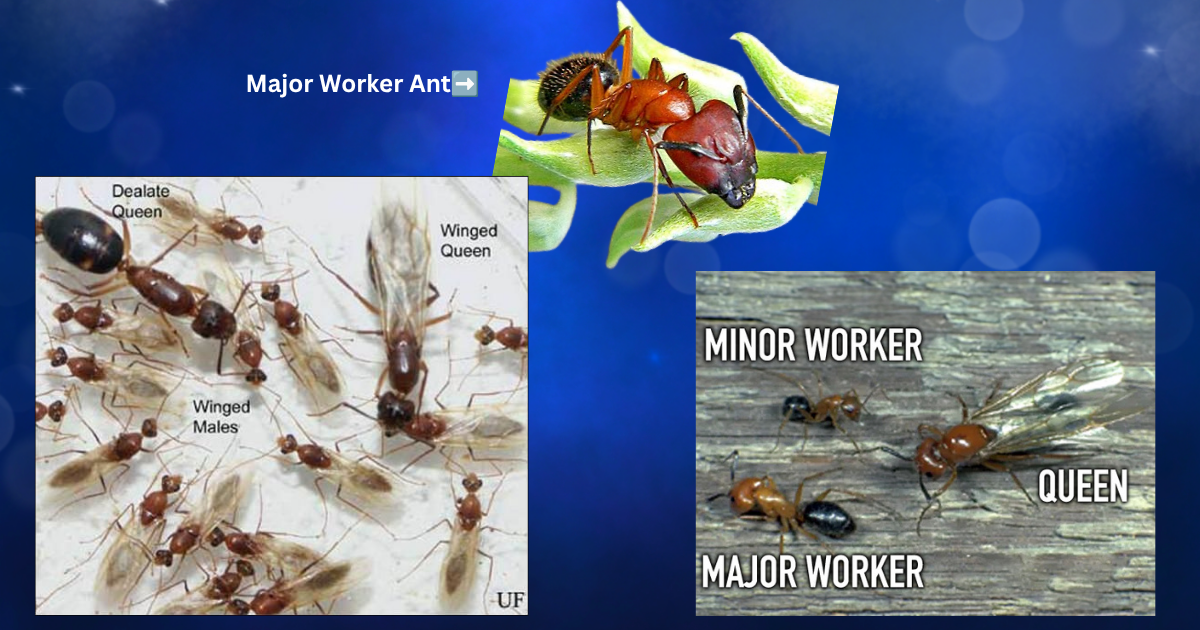
Carpenter ants are bigger than most of the small ants you usually see in Florida homes. Depending on the species, workers can be about 5 to 13 millimeters long, and not all ants in a colony are the same size.
Their color can also be different. Florida carpenter ants might be reddish brown, dark brown, black, or a mix of these. Some have darker heads and abdomens with reddish-brown bodies, while black carpenter ants look mostly black.
Because carpenter ants can look different, and winged ants are sometimes mistaken for other insects, it helps to know how to tell them apart from pests like termites. Carpenter ants have a narrow, pinched waist and bent (elbowed) antennae, while termites have a thicker waist and straight antennae. The wings of carpenter ants are also uneven in size, with the front wings longer than the back ones, while termites' wings are the same length.
Because carpenter ants and termites can still be tricky to tell apart, here are two easy tips to help you identify which pest you have:
First, look at the antennae. Carpenter ants have bent (elbowed) antennae, while termite antennae are straight. Second, check the wings if you see winged insects. Carpenter ants have two pairs of wings, with the front wings much longer than the back, while termite wings are all the same length.
If you are still not sure, have a professional identify them before deciding how to handle the problem.
What Do Carpenter Ants Eat?
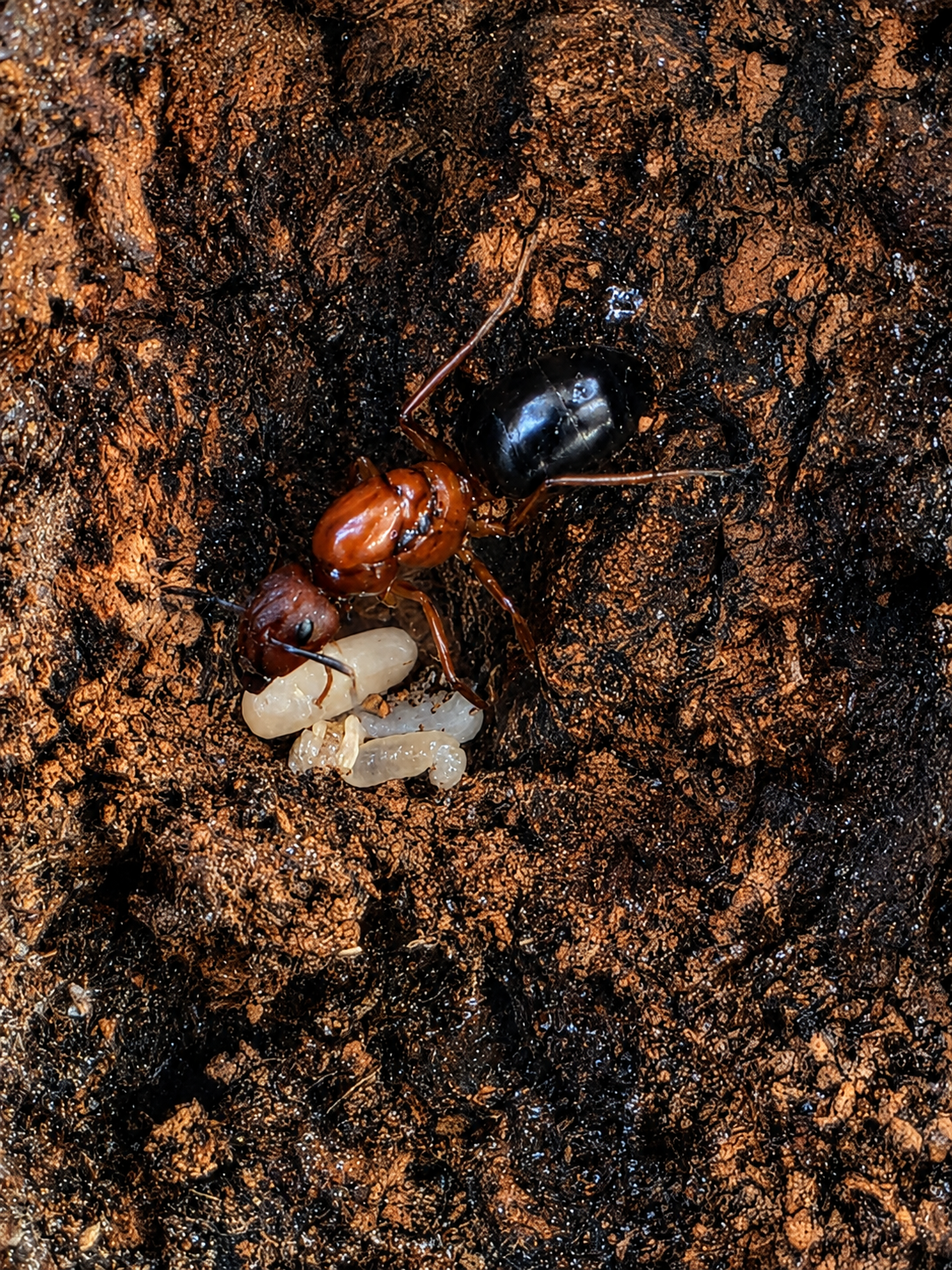
Many people think carpenter ants eat wood, but they do not.
Carpenter ants dig into wood to make nests, but they prefer sweets and carbohydrates for food. Outside, they eat things like flower nectar and honeydew from insects such as aphids, scales, and mealybugs.
They also eat other insects, alive or dead, for protein. Inside your home, carpenter ants might be looking for sugary foods, crumbs, insects, moisture, or a new place to nest.
Do Carpenter Ants Damage Homes?
People link carpenter ants with wood because they dig into it to make nests. But unlike termites, carpenter ants do not eat wood.
When you find insects or strange activity near wood, it is easy to mistake the cause. Before deciding how to fix the problem, determine whether you have carpenter ants, termites, or another pest.
Moisture is also a big factor. Water leaks, poor ventilation, and rotting wood make your home more appealing to carpenter ants. To make your home less attractive, fix plumbing leaks quickly, use fans or dehumidifiers to improve ventilation, and replace water-damaged or rotting wood inside and outside your home.
Keeping bathrooms, kitchens, and other damp areas dry as much as possible can also help prevent carpenter ant problems.
Finding the Source of a Carpenter Ant Problem
One of the hardest parts about dealing with carpenter ants is finding their nest. The ants you see on your kitchen counter might have come from far away.
Carpenter ants often follow set trails, so watching where they go can give you signs about where they are coming from. These trails might lead to wall spaces, window frames, attics, trees outside, or other hidden nesting spots.
That is why just spraying the ants you see will not fix the real problem. To control carpenter ants, you need to identify them, find where they are coming from, and figure out what is attracting them.
Can You Get Rid of Carpenter Ants Yourself?
If you want to handle the issue yourself before calling a professional, start by keeping your kitchen and home as clean as possible.
Wipe up food spills, store sweets in sealed containers, and remove crumbs or pet food from floors and counters. Take out the trash regularly and avoid leaving dirty dishes out overnight.
If you're seeing carpenter ants regularly — especially winged ants indoors, visible wood damage, or hearing rustling in walls — the colony may already be nesting inside your home. At that point, locating and eliminating the nest requires a professional inspection. A licensed technician can identify harborage sites and apply targeted treatments that reach the colony directly.
Seeing Carpenter Ants Around Your Lecanto, Florida Home?
If you often see carpenter ants inside, notice ant trails at night, or spot winged ants near windows and doors, it is probably time to find out where they are coming from.
A Turbo Pest Technician can inspect your property, identify ant activity, and help determine where the problem starts so we can treat it the right way.
During an inspection, a Turbo Pest Technician will check inside and outside your home for signs of carpenter ants, their trails, and possible nesting sites. The Turbo Pest Technician may check woodwork, attics, crawlspaces, and areas with moisture or leaks.
A Turbo Pest Technician will point out any problem areas, answer your questions, and discuss the best treatment options for your home. Typical carpenter ant treatments include targeted baiting to eliminate the colony, barrier sprays around the perimeter, and addressing moisture or entry points to help prevent future infestations. This way, you will know what to expect and can make an informed decision about moving forward.
Call Turbo Pest Solutions at (352) 345-7572 to set up pest control service.
Learn more about our General Pest Control services, or see our Citrus County and Lecanto service area pages.