
You're relaxing on the couch when suddenly something with eight legs runs across the living room floor. For many Florida homeowners, that's enough to ruin a perfectly good evening.
Spiders are common in Florida, staying active year-round thanks to the warm climate. Most aren't there to cause trouble — they're just seeking food, shelter, or a way inside.
So, why do spiders come into your home? Which ones should you worry about, and how can you keep them under control?
Why Are Spiders Coming Into My House?
If you keep finding spiders inside, there's usually a reason for it.
Spiders follow their food. If your home has flies, mosquitoes, moths, ants, roaches, or other insects, it can attract spiders looking for an easy meal.
Outdoor lighting can also contribute to spider activity. Lights near doors, garages, patios, and windows attract flying insects at night, and spiders quickly figure out that these are good places to build webs and catch food. If you're noticing a lot of insects and spider webs around exterior lights, consider switching to yellow or amber-colored bulbs. These warmer-colored lights are generally less attractive to many flying insects than bright white or blue-toned lights. Fewer insects gathering around your home can also mean fewer spiders looking for a meal.
Spiders can also get inside through small gaps around doors, windows, utility lines, vents, and other openings. Garages, lanais, sheds, attics, and other quiet areas give them plenty of places to hide. And sometimes, a spider simply wanders inside by accident.
Common Spiders Around Florida Homes
Florida has many types of spiders. Some build big webs outside, while others like to hide in quiet spots around the house.
Black and Brown Widow Spiders
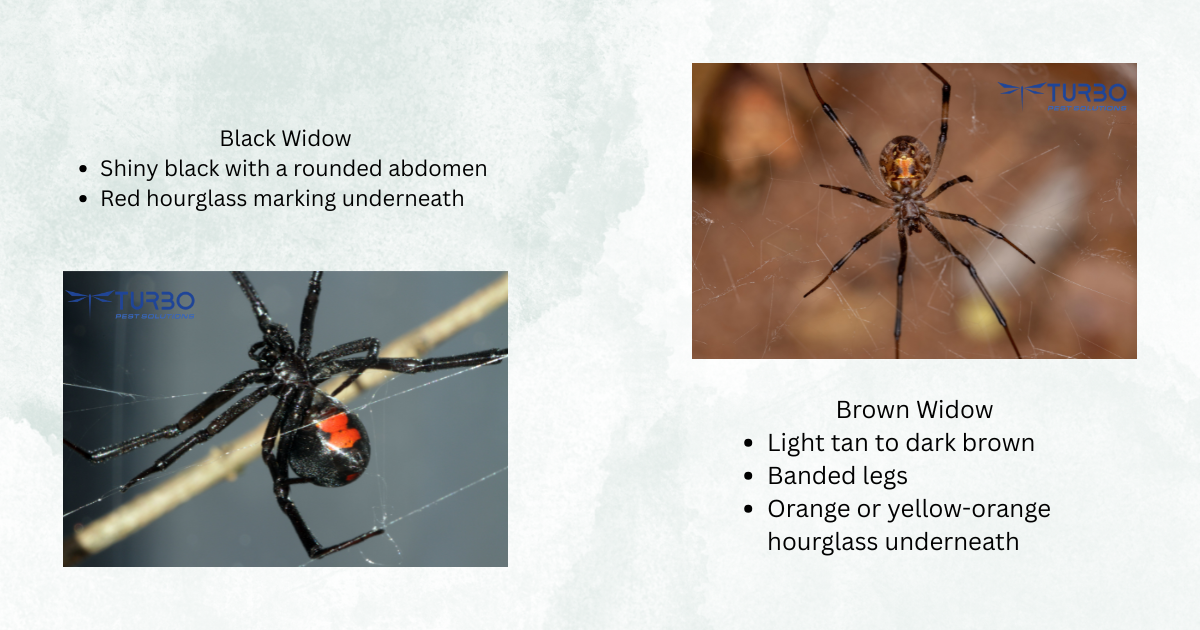
Florida is home to several widow spiders, including the southern and northern black widows. Adult female black widows are usually shiny black with a rounded abdomen and a distinctive red hourglass marking underneath. They build strong, messy, irregular webs and prefer protected, undisturbed areas such as garages, sheds, crawl spaces, wood piles, outdoor furniture, and other places where items may sit untouched for long periods.
Brown widows are also established throughout much of Florida, but they are not native to the state. They are an introduced species believed to have originated outside the United States, with research pointing to Africa as their likely origin. Brown widows can range from light tan to dark brown and usually have banded legs and an orange or yellow-orange hourglass underneath the abdomen. One of the easiest clues is their egg sac, which has a distinctive spiky or tufted appearance rather than the smoother egg sac associated with black widows.
Both black and brown widows have medically significant venom, but they are generally shy spiders and usually bite only when trapped against the skin or disturbed. Brown widows tend to be more timid and typically inject less venom when they bite, so their bites are generally considered less severe than black widow bites. Still, neither species should be handled. If you find a widow around your home, especially near areas used by children or pets, keep your distance and have it properly identified and addressed.
House Spiders
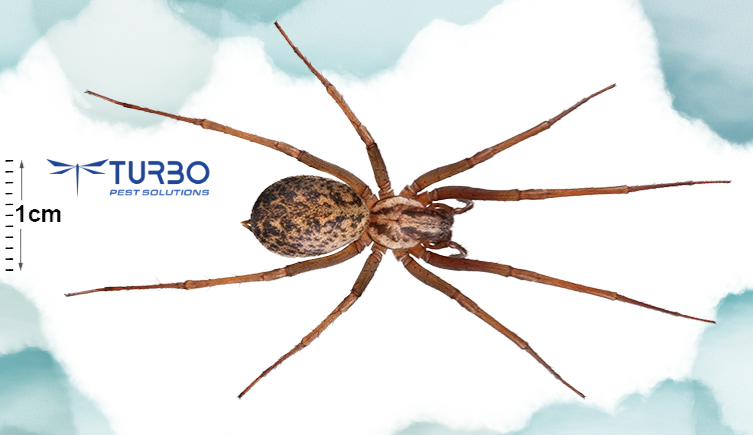
You can find several kinds of small house spiders inside Florida homes. They're often seen in corners, closets, garages, storage areas, and near windows.
House spiders build webs in high-traffic insect areas. Frequent spiders or webs suggest plenty of insects inside.
Jumping Spiders
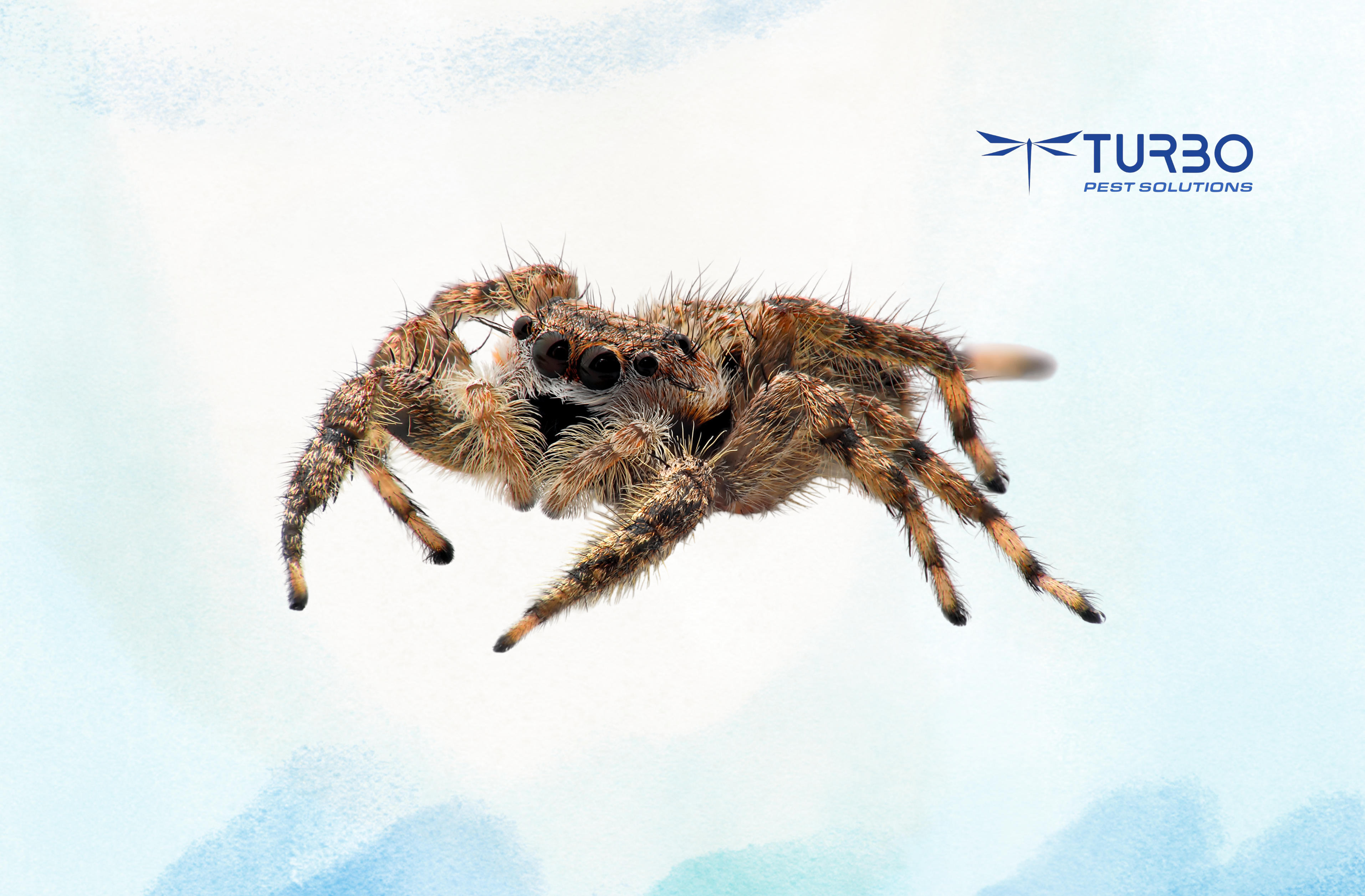
Jumping spiders are small and compact. They don't use webs to catch food. Instead, they hunt insects and use their sharp eyesight to find them.
You'll often see them around windows, doors, exterior walls, patios, and lanais. Their quick movements can be surprising, but jumping spiders usually aren't a big threat to homeowners.
Wolf Spiders
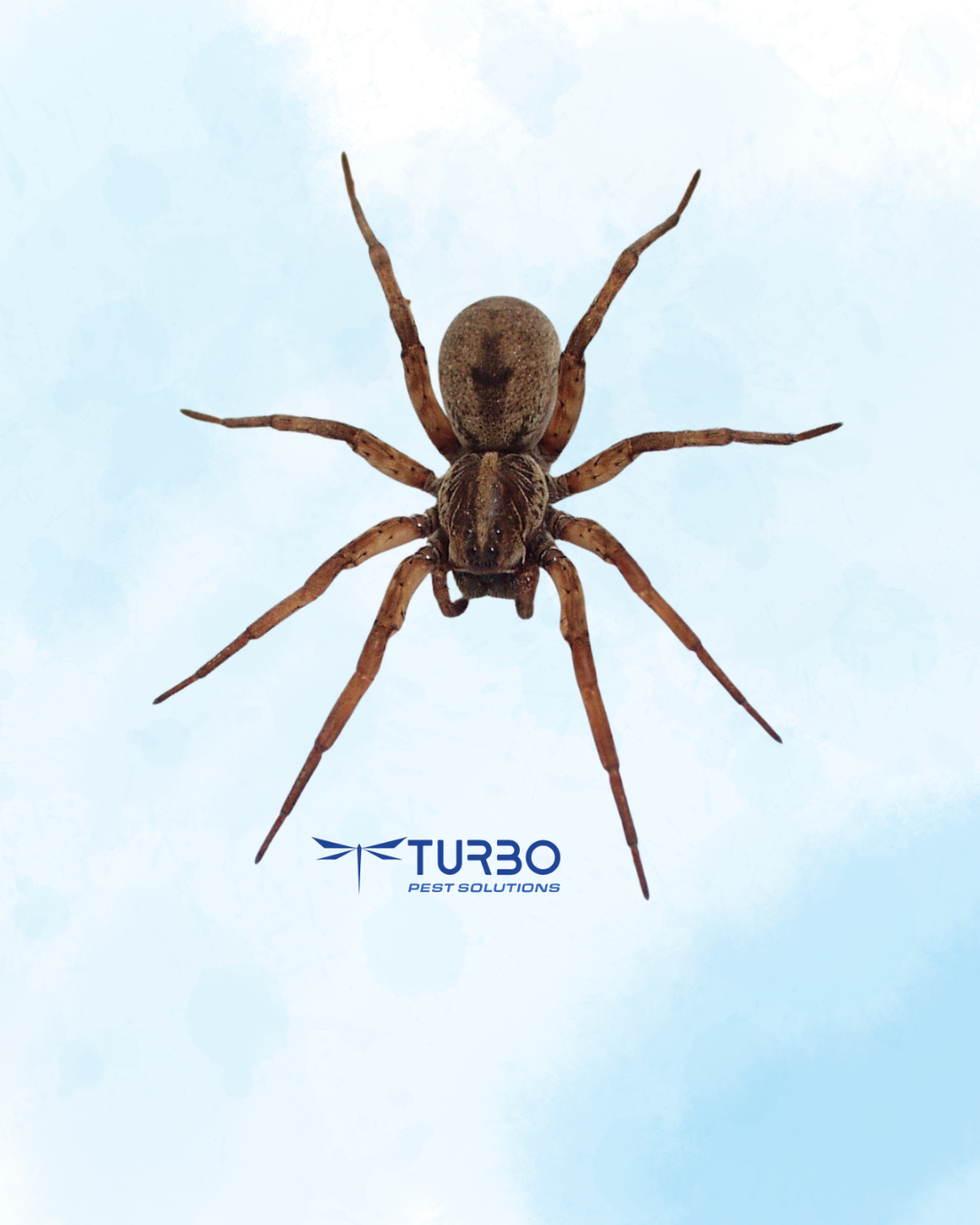
Wolf spiders often get noticed because some types can grow quite large. Unlike spiders that build webs, wolf spiders hunt by moving around on the ground. They might wander inside by accident through garages, doorways, or other openings.
Because they're big and fast, people sometimes mistake them for dangerous spiders, but they mostly try to escape rather than bite.
Orb-Weaver Spiders
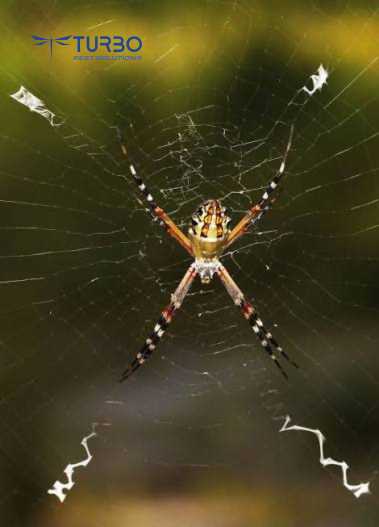
If you've ever walked into a big spider web between two trees, it was probably made by an orb-weaver. Orb-weavers make the classic round webs most people think of when they picture spider webs. You can often find them around landscaping, trees, shrubs, fences, porches, and outdoor lights.
Some orb-weavers are commonly referred to as "banana spiders" in Florida, although that nickname can be used for several different types of spiders. Despite their large size and intimidating appearance, orb-weavers are generally beneficial to have around the yard because their webs catch mosquitoes, moths, flies, and other insects.
Cellar Spiders
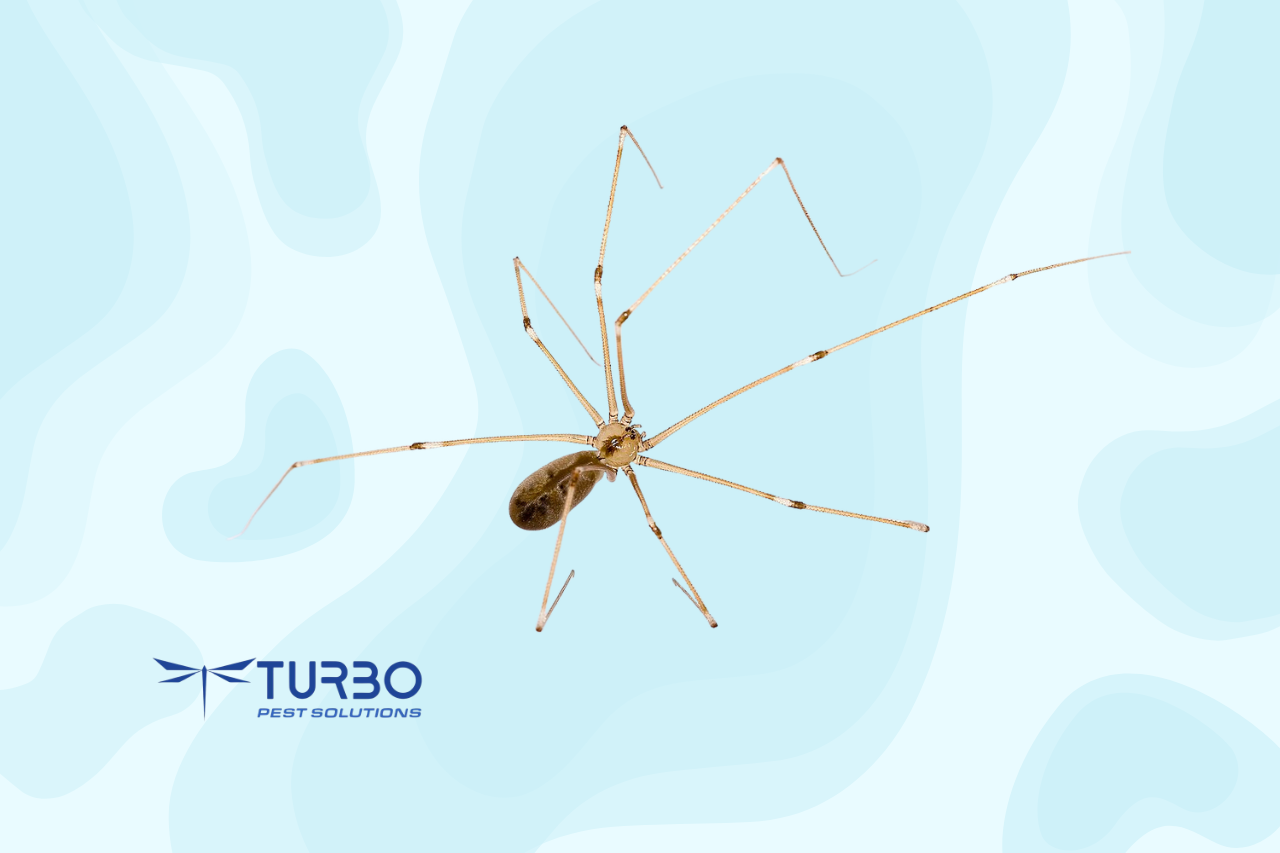
Cellar spiders have small bodies and very long, thin legs. They're often found in garages, sheds, closets, utility rooms, and other sheltered spots. They usually stay in their webs and eat insects, and sometimes even other spiders.
Are Spiders in Florida Dangerous?
Most spiders you find around Florida homes aren't dangerous to people. Spiders rarely bite people unless disturbed or trapped against skin. But you still shouldn't pick up a spider you don't recognize — if you're not sure what kind it is, it's best to leave it alone.
Florida has some spiders, like widows, that can give dangerous bites. These shiny black spiders have a red or orange hourglass underneath and hide in dark places like garages and sheds. Their webs are messy and irregular.
Quick Spider ID Tips
- Widows: Shiny black, round body, red or orange hourglass on the underside, messy web in dark undisturbed areas.
- Brown Recluse: Light to dark brown, violin-shaped mark on the back, six eyes in pairs instead of eight, prefers secluded dry spots. Rare in Florida.
- Most House Spiders: Small to medium, brown or gray, no bright markings, often found in tidy webs in corners and windows.
- Jumping and Wolf Spiders: Fuzzy, mottled colors, quick movers, no web, often seen wandering or jumping.
If you see a spider with distinct markings (like a red hourglass or violin shape), it's best to avoid touching it. Most other spiders around homes are harmless.
Brown recluse spiders are very rare in Florida homes. It's important to identify spiders correctly, especially if you find one you don't know or if it's in a place where kids or pets play. If you think you've been bitten and notice worrying symptoms, contact a doctor right away.
Why Am I Suddenly Seeing So Many Spiders?
A sudden increase in spiders usually means more insects are present. If there are lots of insects around your home, spiders will want to stick around.
You might see more spiders near porch lights, garages, patios, pool cages, windows, and landscaping because these spots attract the insects spiders like to hunt. Weather can also affect pest activity — heavy rain, temperature changes, and other conditions can make insects and spiders move into sheltered areas.
Knocking down webs is a temporary fix. If insects remain, spiders will return.
Does Having Spiders Mean My House Is Dirty?
No. Finding a spider inside doesn't mean your home is dirty. Even clean homes can have spiders — small insects find their way in, attracting spiders.
But clutter can give spiders more places to hide. Storage boxes, crowded garages, piles of unused stuff, and undisturbed areas make it easier for spiders and other pests to go unnoticed.
How Can I Keep Spiders Out of My Home?
One of the best ways to cut down on spiders is to make your home less appealing to both spiders and the insects they eat.
Start by checking doors and windows for gaps. Replace any damaged weatherstripping or door sweeps, fix screens, and seal openings around pipes, wires, and other utility lines. Regularly clearing away webs from porches, garages, windows, and outside walls can also keep spiders from settling in those spots.
Outdoor lights attract insects and spiders. Keep bushes trimmed and reduce clutter to eliminate hiding spots. Safe repellents like diluted peppermint, citrus, tea tree, or lavender oils can help — mix 10–15 drops with water in a spray bottle and apply along windows, baseboards, corners, and entry points. Always check that the oil you choose is safe around kids and pets before spraying.
Most importantly, getting rid of other insects around your home takes away the main reason spiders are there. Sweep up crumbs and spills right away, take out the trash regularly, and avoid leaving pet food out overnight. Store food in sealed containers and fix leaky pipes or faucets to reduce moisture. Regular vacuuming — especially in corners and hidden areas — helps remove insect eggs, crumbs, and spider webs.
Should I Spray Every Spider I See?
Not always. Seeing a spider now and then doesn't mean you have a pest problem. In fact, spiders help outside by eating many insects we think of as pests.
The bigger question is why you're seeing spiders in the first place. If spiders keep showing up inside, you keep knocking down webs, or you see lots of them outside your home, there might be an insect problem giving them plenty to eat. Instead of just focusing on the spiders you see, good pest control looks at what's attracting them to your home.
When Should You Call a Pest Control Professional?
Finding a spider once in a while is normal, especially in Florida. But if you see them often, it might be worth checking out.
If you keep seeing spiders, find webs everywhere, or spot unidentified species, a professional pest inspection is a smart move. During an inspection, technicians look for signs of pest activity, check for possible entry points around doors, windows, and foundations, and search hidden or hard-to-reach areas where spiders and their food sources might hide. The process usually takes about an hour, depending on the size of your home.
A Turbo Pest technician can check for entry points, find where insects are active, remove webs, and develop a plan to target the pests spiders are eating. Getting rid of the food source is often one of the best ways to cut down on spiders in the long term.
Keeping Florida Homes Comfortable and Pest-Free
Spiders are part of life in Florida, but you don't have to let your home become their favorite spot. Controlling insects, sealing entry points, cutting down on outdoor hiding spots, and removing webs can help keep spiders where they belong: outside.
If spiders or other pests have become unwanted guests in your home, Turbo Pest Solutions can help. Our team offers pest control for Florida homeowners — we'll find what's attracting pests and recommend solutions.
Call Turbo Pest Solutions at (352) 345-7572.
Learn more about our General Pest Control services — a professional general pest control program addresses the insects that attract spiders as well as the spiders themselves. See if we serve your area on our Citrus County, Crystal River, and Inverness service area pages.